What is the Average Mortgage Rate in California?
California mortgage rates fluctuate based on factors like credit score and loan type. Explore down payment options from FHA loans with 3.5% down to VA loans with 0%. Learn how to qualify and secure the best mortgage in the competitive California housing market.
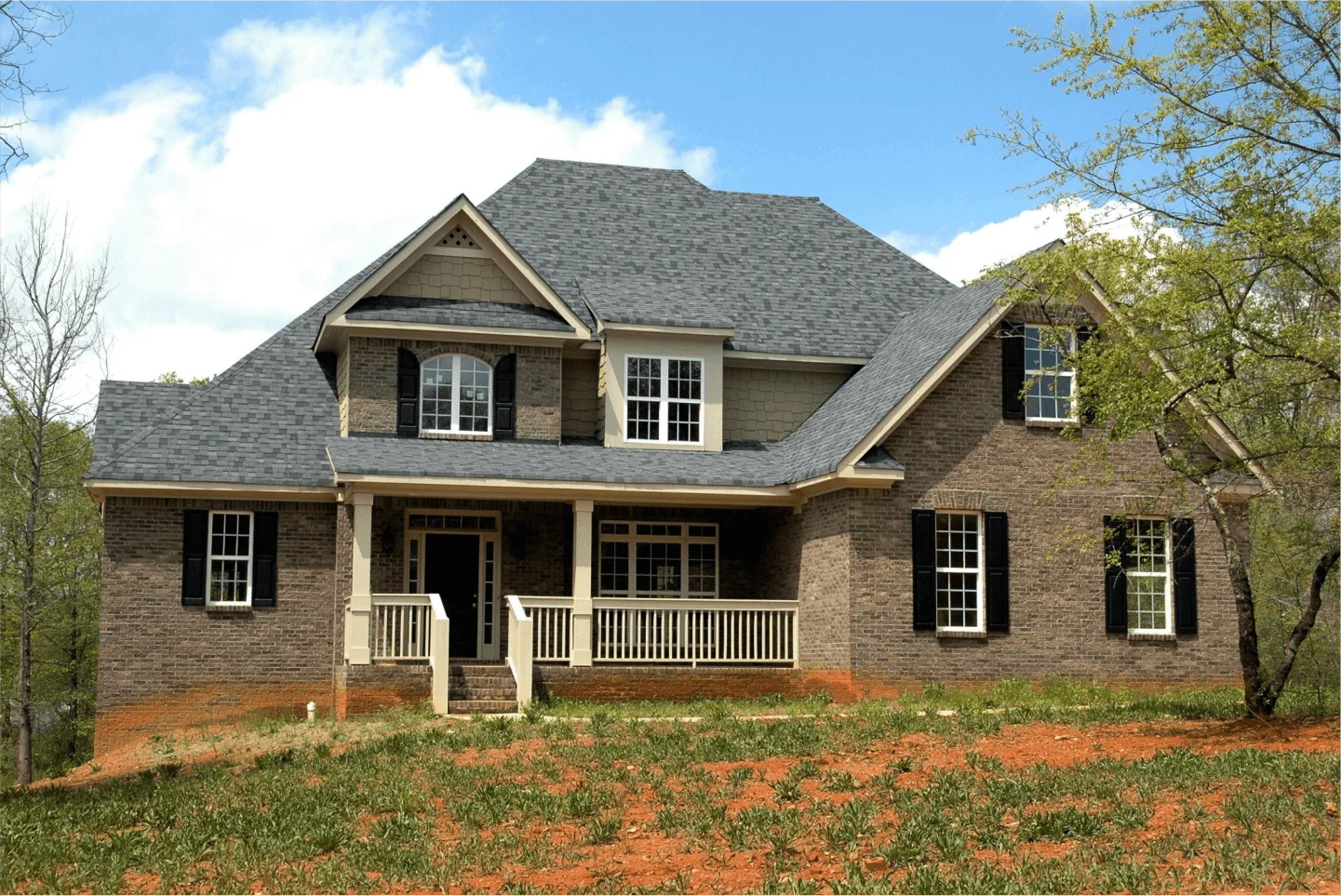
When people are looking to buy a home, the question on everyone's mind is: What is the average mortgage rate in California? Understanding mortgage rates is essential when planning your finances. Mortgage rates fluctuate based on several factors, from the national economy to local real estate trends in California. Let's break down what you need to know about mortgage rates in the Golden State.
How Are Mortgage Rates Determined in California?
Mortgage rates in California depend on multiple factors, such as your credit score, loan term, and the type of mortgage program. Generally, lenders evaluate the risk of lending to a borrower, which directly impacts the interest rate. For an in-depth look at mortgage programs like conventional loans, you can visit our page for more information.
Historical Trends in California Mortgage Rates
Over the past few years, California mortgage rates have fluctuated between 3% and 6%, depending on the overall economic climate. Historically low interest rates were seen during the 2020 pandemic, but rates have gradually risen as the economy recovers.
| YearAverage Mortgage Rate | |
| 2020 | 3.1% |
| 2021 | 3.5% |
| 2022 | 4.7% |
Fixed vs. Adjustable-Rate Mortgages in California
Homebuyers can choose between fixed-rate and adjustable-rate mortgages (ARMs). Fixed-rate mortgages lock in a steady rate, providing predictability, while ARMs start with a lower rate but can fluctuate. Fixed-rate mortgages are popular for long-term buyers, whereas ARMs appeal to those planning to sell or refinance within a few years.
Current Mortgage Rates in Major California Cities
Mortgage rates can vary depending on the region. For example, high-demand cities like San Francisco and Los Angeles may see slightly higher rates due to housing demand, whereas more affordable areas like Fresno might offer lower rates.
Factors That Influence Mortgage Rates in California
- Credit Score: A higher score means a better rate.
- Down Payment: A larger down payment may lower your rate.
- Loan Term: Shorter terms generally have lower interest rates.
How to Get the Best Mortgage Rate
Shopping around for different lenders is the best way to ensure you get a competitive rate. Comparing offers from multiple lenders ensures you find the best mortgage rate available.
Are Online Mortgage Calculators Helpful?
Yes! You can calculate estimated mortgage payments with an online calculator, which allows you to adjust variables like loan amount, interest rate, and term length to see different payment scenarios.
Government vs. Private Mortgage Programs in California
Government-backed loans, like FHA loans, typically offer lower interest rates and smaller down payments. However, they also come with certain restrictions. Private loans, including conventional and jumbo loans, may offer more flexibility, depending on your financial situation. Visit our FHA loan page for more information.
When Is the Best Time to Lock in a Mortgage Rate?
Timing is crucial when locking in a mortgage rate. Locking your rate when rates are low is ideal, but even a small increase could affect your monthly payment significantly.
Conclusion
California's mortgage rates are subject to various influences, including market conditions, borrower creditworthiness, and loan types. Staying informed about mortgage trends and using tools like mortgage calculators will help you make the best financial decision.
How Much Do I Need for a Down Payment on a Home in California?
The amount required for a down payment in California varies depending on several factors, including the type of loan and the home’s location. While the traditional down payment is 20%, there are options available that require much less. In this article, we'll explore what you need to know about down payments for California mortgages.
Standard Down Payment Requirements
Most conventional loans in California recommend a 20% down payment to avoid paying private mortgage insurance (PMI). However, this is not a fixed rule, and some borrowers can qualify with less. For detailed information on loan programs, check out our jumbo loans guide.
Low Down Payment Options in California
First-time homebuyers often worry about saving 20% for a down payment. Luckily, there are several low-down-payment options available:
- FHA Loans: Require as little as 3.5%.
- VA Loans: Offer 0% down for qualified veterans.
- Conventional Loans: Some lenders allow as little as 3%.
| Loan TypeMinimum Down Payment | |
| Conventional | 3-20% |
| FHA | 3.5% |
| VA | 0% |
Saving for a Down Payment: Tips for Californians
Given California’s high real estate prices, saving for a down payment can seem daunting. However, you can reach your savings goal by setting aside a fixed amount each month, minimizing unnecessary expenses, and exploring down payment assistance programs.
Down Payment Assistance Programs in California
Various programs are available to assist Californians in making their dream of homeownership a reality. These programs provide grants, loans, and other financial help to make the down payment more manageable.
How a Down Payment Affects Your Monthly Payment
The size of your down payment directly impacts your mortgage payment. A larger down payment means you will borrow less, resulting in lower monthly payments and less interest paid over the life of the loan.
Should You Aim for a 20% Down Payment?
While a 20% down payment is ideal to avoid PMI, it is not always necessary. Programs like FHA and VA loans allow you to purchase a home with a smaller down payment, though this might come with additional costs, such as mortgage insurance.
Private Mortgage Insurance (PMI) and Your Down Payment
If you put down less than 20%, most conventional loans require PMI. This additional cost protects the lender in case of default but adds to your monthly mortgage payment. Consider this when deciding on the size of your down payment.
Special Considerations for High-Cost Areas
In high-cost areas such as San Francisco and Los Angeles, homes are often priced well above the national average. As a result, even a small percentage down can mean tens of thousands of dollars in down payment requirements.
How to Avoid PMI in California
To avoid PMI, aim to save 20% for a down payment or explore other options, such as piggyback loans, where you take out a second loan to cover part of the down payment.
Conclusion
Determining your down payment requires careful financial planning and an understanding of the mortgage options available in California. Whether you’re a first-time buyer or purchasing a high-value property, knowing your options is crucial for making the best decision.